The Breakdown
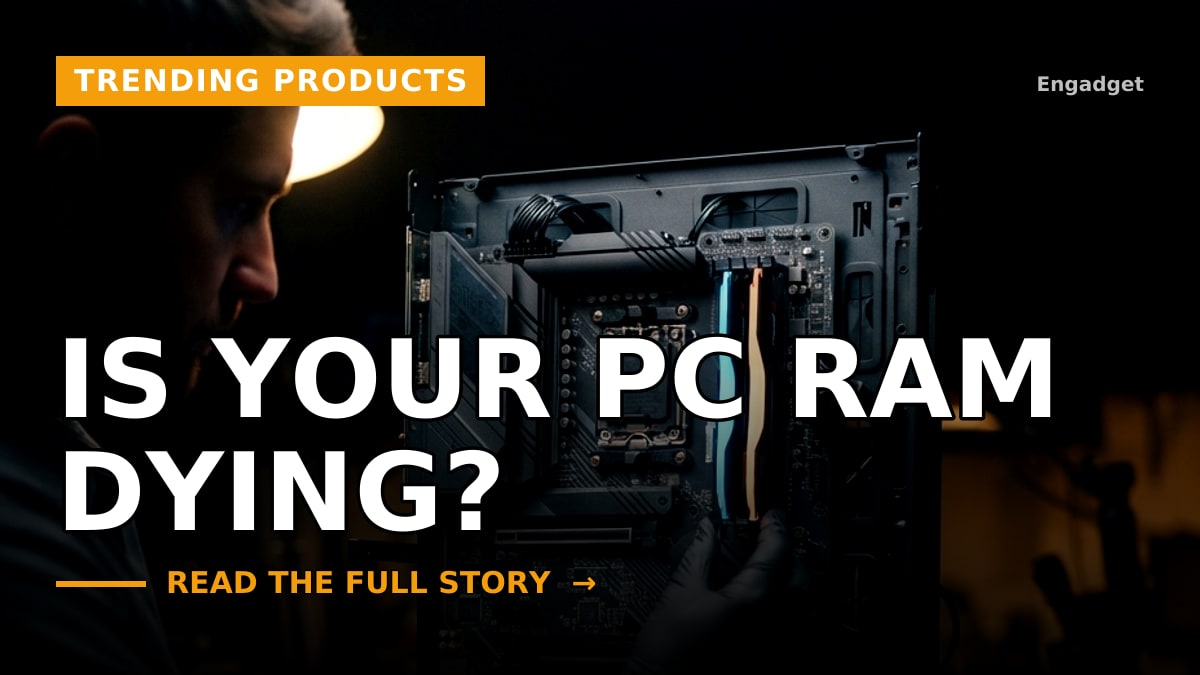
When building or maintaining a high-performance computer, few components are as critical—or as frequently debated—as your Random Access Memory, better known as RAM. With the tech landscape shifting at a dizzying pace, today's creators, entrepreneurs, and power users find themselves pushing their hardware further than ever before. Yet, beneath the surface of demanding software applications and sprawling multitasking sessions lies a pressing financial concern: the rising cost and tightening supply of RAM components. This economic squeeze forces many to ask a fundamental question that impacts both productivity and budgets: Just how long can you actually expect your PC RAM to last?
To the busy professional, RAM often fades into the background as an invisible workhorse. Unlike spinning hard drives or mechanical fans that feature moving parts prone to physical degradation, RAM consists of solid-state electronic circuits. Under normal operating conditions, these memory sticks lack mechanical wear and tear, meaning they have an inherently long lifespan. Statistically speaking, RAM can easily outlive the rest of your computer build, frequently functioning reliably for anywhere from five to ten years—and sometimes even longer. However, theoretical longevity does not always translate to practical utility in a fast-evolving digital marketplace.
The real threat to your RAM isn't necessarily physical failure; it is technological obsolescence driven by relentless software demands. As operating systems bloat, creative suites demand larger memory footprints, and heavy multitasking becomes the baseline for modern entrepreneurship, the capacity that once felt limitless quickly becomes a bottleneck. A kit of RAM that was state-of-the-art five years ago may now struggle to keep pace with contemporary rendering engines, AI-driven workflows, and resource-heavy browser tabs. Compounding this challenge is the current market reality, where fluctuating component costs and high demand make timely upgrades a costly endeavor rather than a simple routine purchase.
For creators and digital entrepreneurs, understanding RAM lifespan and market trends is essential for strategic budgeting. Waiting until components fail completely is rarely the issue; rather, recognizing when your current hardware begins to silently choke your productivity is the key metric. By keeping a close eye on hardware demands, market pricing, and the actual performance metrics of your day-to-day software, you can plan your upgrade cycles proactively instead of reacting to sudden system slowdowns or inflated component prices. In an era where hardware downtime directly impacts your bottom line, managing your PC's memory lifecycle is no longer just a technical detail—it is a core business strategy.
🎬 Creator Studio: Short-Form Video Script
Hook (0-3s): Is your PC slowing down, or is your RAM secretly dying?
Body (3-30s): With skyrocketing tech requirements and rising component costs, upgrading your PC RAM is getting harder. While RAM rarely fails physically and can last up to a decade, rapid software advancements mean your memory might become obsolete long before it breaks. Creators and entrepreneurs need to balance these rising costs with ever-increasing digital demands.
Call to Action: Drop a comment with how old your current PC build is, and hit subscribe for more tech tips!
📱 Social Media Caption
Is your PC RAM built to last, or are rising costs and heavy software demands pushing your hardware to the brink? #TechTrends #PCHardware #RAM #ContentCreator #VIMciety